Invited speakers
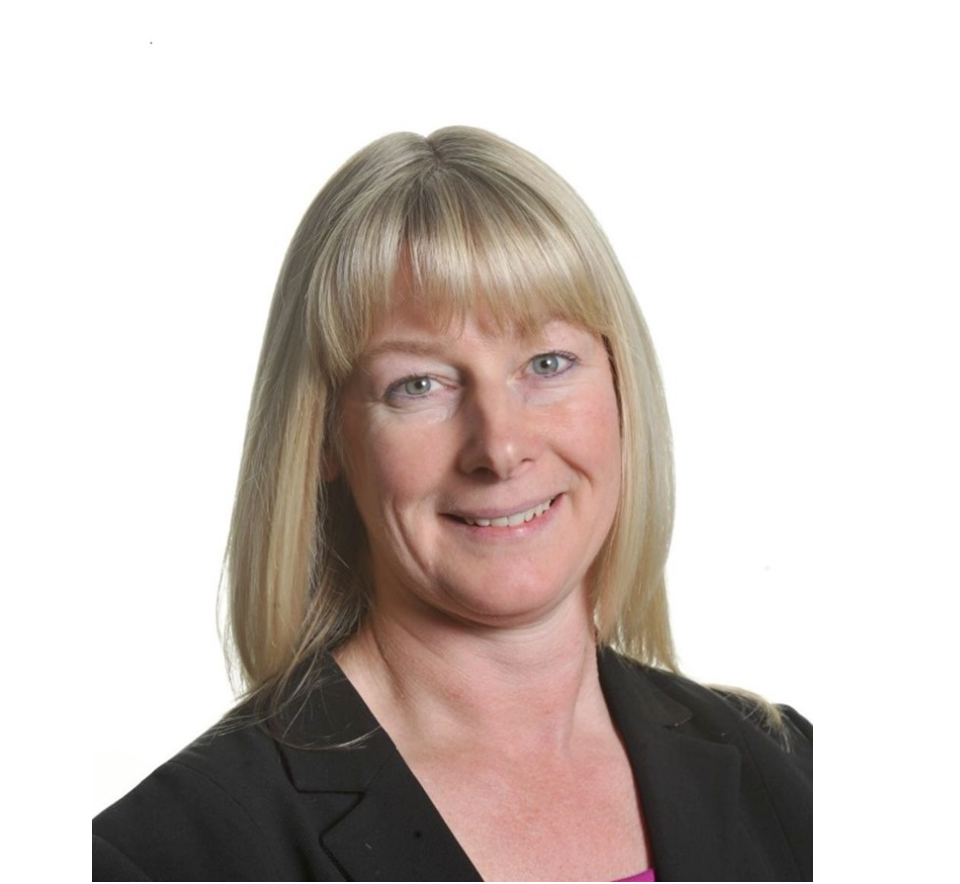
Lars Kölby
Professor of Plastic Surgery at the University of Gothenburg. Research areas include craniosynostosis and craniofacial syndromes as well as 3D bioprinting of soft tissues
See abstract HERE
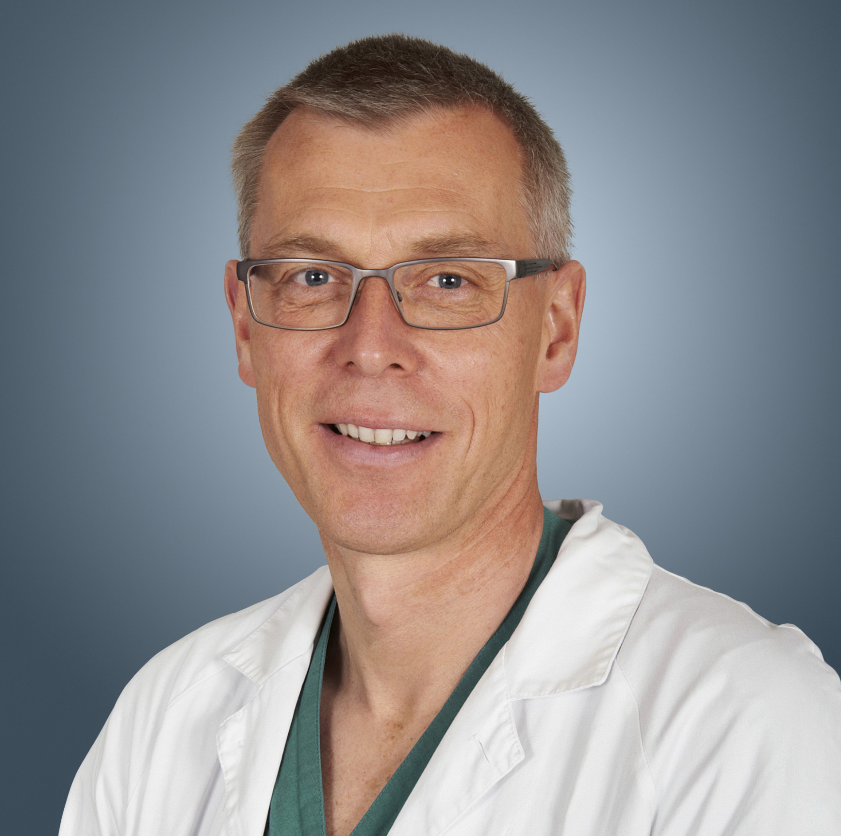
Maria Asplund
Maria Asplund is professor in Bioelectronic Microtechnology at Chalmers University of Technology where her research includes flexible neurotechnology, tissue-device interaction and electronic biomaterials. After completing her PhD at the Royal Institute of Technology (Stockholm, 2009) she led her own research group at the University of Freiburg (2011-22), and in 2022 proceeded to her professorship at Chalmers (Gothenburg, Sweden). Her team specializes in implant nano- and micromanufacturing for bioelectronic applications, reaching from wound repair to brain implants for visual restoration. She has also worked extensively within electronic materials for safe and efficient charge injection over the entire parametric range used clinically. Maria Asplund has won multiple prestigious grants including ERC starting and proof of concept grants, and the Swedish Research Council. She is currently Director of the Chalmers Area of Advance in Health Engineering, an editor of Journal of Neural Engineering and of Bioelectronic Medicine, and co-founder of Bioelectrix Sweden.
See abstract HERE
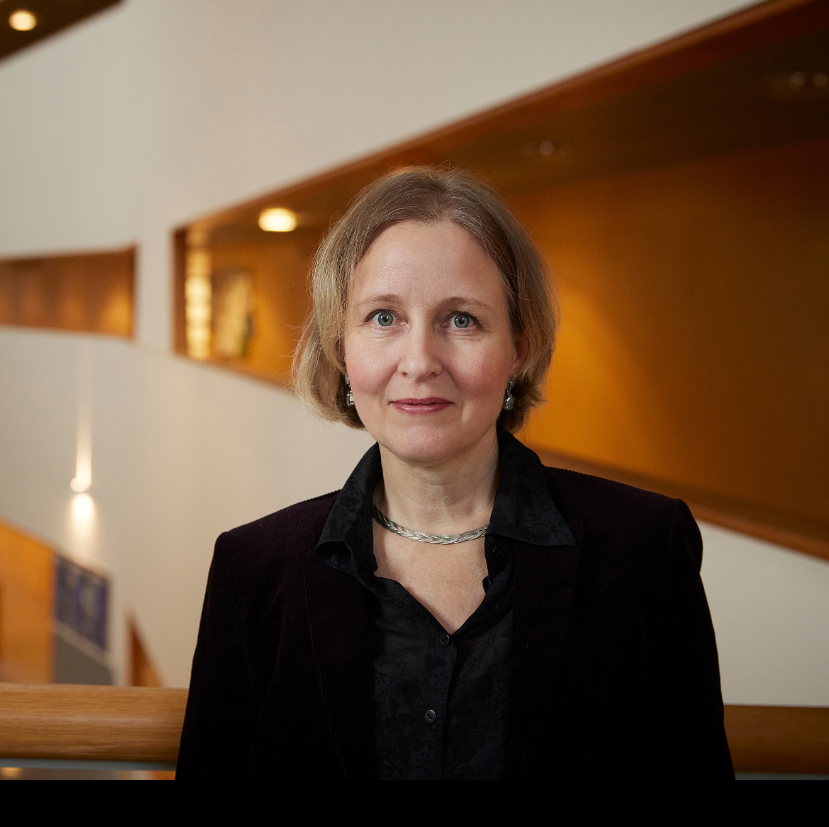
Michael Gelinsky
Michael Gelinsky is professor and head of the Centre for Translational Bone, Joint and Soft Tissue Research at the University Hospital and Faculty of Medicine of Dresden University of Technology, Germany. He is a chemist by training and expert in biomaterials, tissue engineering and 3D printing/bioprinting. In 2020 be became "Fellow Biomaterials Science and Engineering", from 2021 until 2025 he was the president of the German Society for Biomaterials and was admitted as Honorary Fellow by the Society for Biomaterials and Artificial Organs India in 2024. Since beginning of this year he received the honour of a Distinguished Professor of Tohoku University in Sendai, Japan as a second affiliation.
See abstract HERE

Hanna Isaksson
Dr. Hanna Isaksson is a professor of Biomechanics at the Department of Biomedical Engineering, Lund University, where she leads the Biomechanics team. Her expertise is in musculoskeletal tissue mechanics, using methods from material science and solid mechanics to address research questions of relevance to orthopedics. The research focuses on understanding how tissue structure, composition and mechanical function are related in health and disease, utilizing both complex experimental tissue characterization methods and advanced
computational modelling.
Over the last 20 years, Hanna has authored more than 180 peer-reviewed journal articles (H-index 39, citations ~ 4,800). Her team has been pioneering the development of in situ experimental methods from the organ down to the nanoscale, required for advancing and validating computational models’ ability to describe musculoskeletal tissue biomechanics and mechanobiology. Some of these outcomes aiming to significantly improve the diagnosis and treatment of orthopedic conditions were recently recognized at the IVA 100 list 2024 - Innovation through Interdisciplinary Research, as the research with the most potential to create value through commercialization, business and method development or societal impact.
She has an extensive track-record of securing research funding, including e.g. an ERC consolidator grant, and is currently the vice-head of MathKOA (an excellence center spanning three countries funded by the Novo Nordisk foundation). In 2024 she obtained the Erna Ebeling award for her translational osteoporosis research from the Swedish Society for Medical Technology. Hanna is actively involved in teaching and mentoring students, with the goals to foster and open collaborative and inclusive learning environment. She has supervised 24 PhD students (whereof 18 graduated) and 20 post-docs from diverse fields. The team members have obtained several high-recognition awards, including the best doctoral thesis by the European Society of Biomechanics and the Oscar II scholarship for the most prominent thesis at Lund University twice. Several previous team-members have secured substantial own funding and are currently academic faculty members and post-doctoral researchers in leading labs across Europe.
She is engaged both in the national and international research community, currently as a member of the World Council of Biomechanics. Moreover, she is active in national research policy making and the national funding landscape, exemplified by her previous engagement in the Swedish Young Academy and current role on the Scientific Council for Natural and Engineering Sciences at the Swedish Research Council.
See abstract HERE
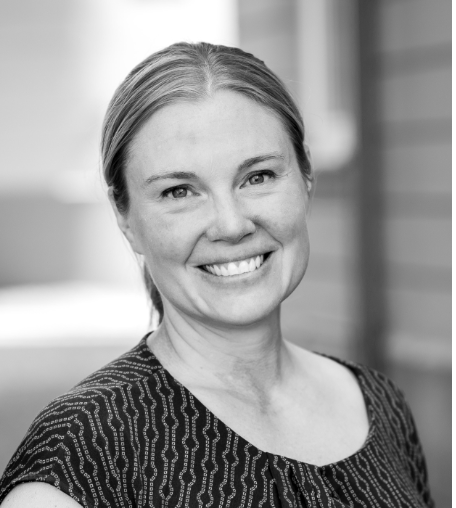
Már Másson
Már Másson earned his Bachelor of Science in Chemistry from the University of Iceland in 1987, a Cand. Scient (MS) in Organic Chemistry from Copenhagen University, Denmark, in 1990, and a Doctor of Engineering – Biotechnology from the Tokyo Institute of Technology, Japan, in 1995. During his doctoral studies in Japan, Már focused on bioelectronics and biosensors. Upon returning to Iceland, he dedicated the next ten years to researching drug delivery with cyclodextrins. In 1995, he joined the University of Iceland's Department of Pharmacy as a Post-Doc and became an Associate Professor in Medicinal Chemistry in 1998. Since 2005, he has served as a Professor in Medicinal Chemistry. Már Másson's research group primarily focuses on synthesizing and investigating chitosan derivatives. Under his leadership, the group developed the TBDMS protection strategy for chitosan, enabling chemoselective and highly controlled synthesis of chitosan derivatives. The group's studies include applications of chitosan derivatives as antimicrobial agents, permeation enhancers affecting tight-junctions in pulmonary epithelium, chitosan nanocarriers for photochemical internalization, and coatings for use in regenerative medicine. Már collaborates with engineers and mathematicians in Iceland to develop numerical frameworks for modeling drug delivery systems, including transdermal and ophthalmic delivery. Additionally, he co-founded the spin-off company Minamo ehf with his Ph.D. student Vivien Nagy. The company, based on his invention (PCT application), focuses on developing antimicrobial coatings for silicone medical devices (https://www.minamo.is/ ) – Már Másson is now CSO of Minamo (and Vivien Nagy is CEO)Már Másson is an editor for Carbohydrate Polymers (IF 12.5) on the editorial boards of Molecules (IF 4.6) and International Journal of Molecular Sciences (IF 5.7) His research group currently includes one PostDoc, two Ph.D. students and two M.S. students. Már Másson has authored or co-authored over 110 ISI publications and is the inventor or co-inventor on four patent applications, with two granted patents. His H-Index is 51 (ISI) and 55 (Google Scholar).Google scholar profile: http://scholar.google.is/citations?user=Mop79jgAAAAJ&hl=en&oi=ao
See abstract HERE
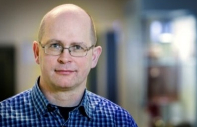
Ralph Müller
Dr. Ralph Müller is a Professor of Biomechanics in the Department of Health Sciences and Technology at ETH Zürich. He studied electrical engineering at ETH Zürich, where he also earned his doctoral degree in 1994. He then served as project manager for the micro-computed tomography initiative of the EU Concerted Action BIOMED 1 “Assessment of Bone Quality in Osteoporosis,” contributing to the development of a desktop micro-tomography system that has since been commercialized and is now used worldwide.
In 1996, Dr. Müller moved to Boston, where he became a tenure-track Assistant Professor of Orthopedic Surgery at Harvard Medical School and Associate Director of the Orthopedic Biomechanics Laboratory. From 2000 to 2011, he first held an SNF Professorship in Bioengineering in the Department of Information Technology and Electrical Engineering at ETH Zürich, before being appointed Associate and later Full Professor of Biomechanics in the Department of Mechanical and Process Engineering.
In 2012, he became one of the founding members of the newly established Department of Health Sciences and Technology, which he chaired from 2014 to 2016. His research combines state-of-the-art biomechanical testing, advanced computational simulation, and innovative bioimaging and visualization strategies for musculoskeletal tissues. These approaches enable quantitative assessment and monitoring of structure–function relationships in tissue regeneration, growth, and adaptation. They are now widely used for precise phenotypic characterization of tissue responses in mammalian genetics, mechanobiology, and regenerative medicine.
Dr. Müller has authored more than 1,400 scientific articles and abstracts. His work has been cited more than 52,000 times on Google Scholar, with an h-index of 119. He has received numerous distinctions, including the Mike Horton Award from the European Calcified Tissue Society (ECTS), the Huiskes Medal for Biomechanics from the European Society of Biomechanics (ESB), and the Muybridge Award from the International Society of Biomechanics (ISB). He is an Elected Member of the Swiss Academy of Engineering Sciences (SATW), an Honorary Member of the ESB, and a Fellow of the European Alliance for Medical and Biological Engineering and Science (EAMBES), the World Council of Biomechanics (WCB), and the American Society for Bone and Mineral Research (ASBMR). In 2017, he received a prestigious ERC Advanced Grant from the European Research Council.
He is active as an organizer of international symposia and workshops and serves on editorial boards and review panels for scientific journals and funding agencies. He is a former President of both the European Society of Biomechanics (ESB) and the Swiss Society for Biomedical Engineering (SSBE) and previously served as Secretary of the International Federation of Musculoskeletal Research Societies (IFMRS). He has held scientific and management roles on more than 80 research grants and currently receives funding from the Swiss National Science Foundation, the Australian Research Council, the Singapore National Research Foundation, and multiple ETH intramural programs.
Dr. Müller is a founder and co-organizer of the ETH graduate program in Biomedical Engineering. He teaches the courses “Imaging and Computing in Medicine,” “Orthopaedic Biomechanics,” and “Multiscale Bone Biomechanics” at ETH Zürich. He co-founded three spin-off companies: Pearl Technology AG, which develops and markets novel patient positioning systems for medical imaging; b-cube AG, now part of Scanco Medical; and compagOs, a diagnostics biotechnology company engineering personalized bone organoids and organotypic fracture models.
See abstract HERE
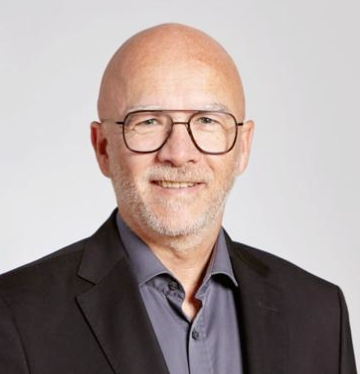
Rickard Brånemark
Current Affiliations:
Research Affiliate: K. Lisa Yang Center for Bionics, MIT; Cambridge, MA, USA.
Associate professor: Department of Orthopaedics, Gothenburg University, Sweden. Honorary surgeon, Ukraine Armed Forces
Founder and board member: Integrum AB; Mölndal, Sweden.
Dr. Rickard Brånemark is an orthopedic surgeon and a leading global authority on orthopedic osseointegration and advanced amputee care. With a career dedicated to the biomechanical and biological integration of skeletal implants, he has pioneered the transition from traditional mechanical prosthetics to neurally integrated bionic systems. A central figure in the clinical application of bone-anchored limb reconstruction, Dr. Brånemark served as the lead surgeon for the historic 2013 team that treated the first patient with an above-elbow amputation using a neurally integrated bionic limb prosthesis. This work—integrating percutaneous osseointegrated implants with implanted muscle and nerve electrodes—enabled the first successful long-term use of a mind-controlled prosthesis with sensory feedback. This milestone was the subject of his landmark 2020 study published in the New England Journal of Medicine.
Dr. Brånemark’s research and surgical innovations have been recognized with several of the most prestigious honors in the field, including:
-The Hanger Prize (2007) for outstanding contributions to amputee treatment.
- The UCSF Presidential Chair Award (2016) for leadership in orthopedic innovation.
- The Brian and Joyce Blatchford Prize (2017) for clinical excellence in prosthetics.
- The Per Uddén Prize (2017) for the development of osseointegrated implants that significantly improve function and mobility.
- The Henry Wallman Prize (2019) for excellence in translational medical research.
He has published more than 100 scientific peer-reviewed papers on biomechanics, interface analysis, and long-term clinical outcomes. In addition to his academic research, he founded the technology platform that transitioned these surgical innovations into regulated medical devices. Dr. Brånemark is also deeply committed to humanitarian work, having traveled multiple times to Ukraine to provide specialized surgical care to war victims with complex amputations.
See abstract HERE
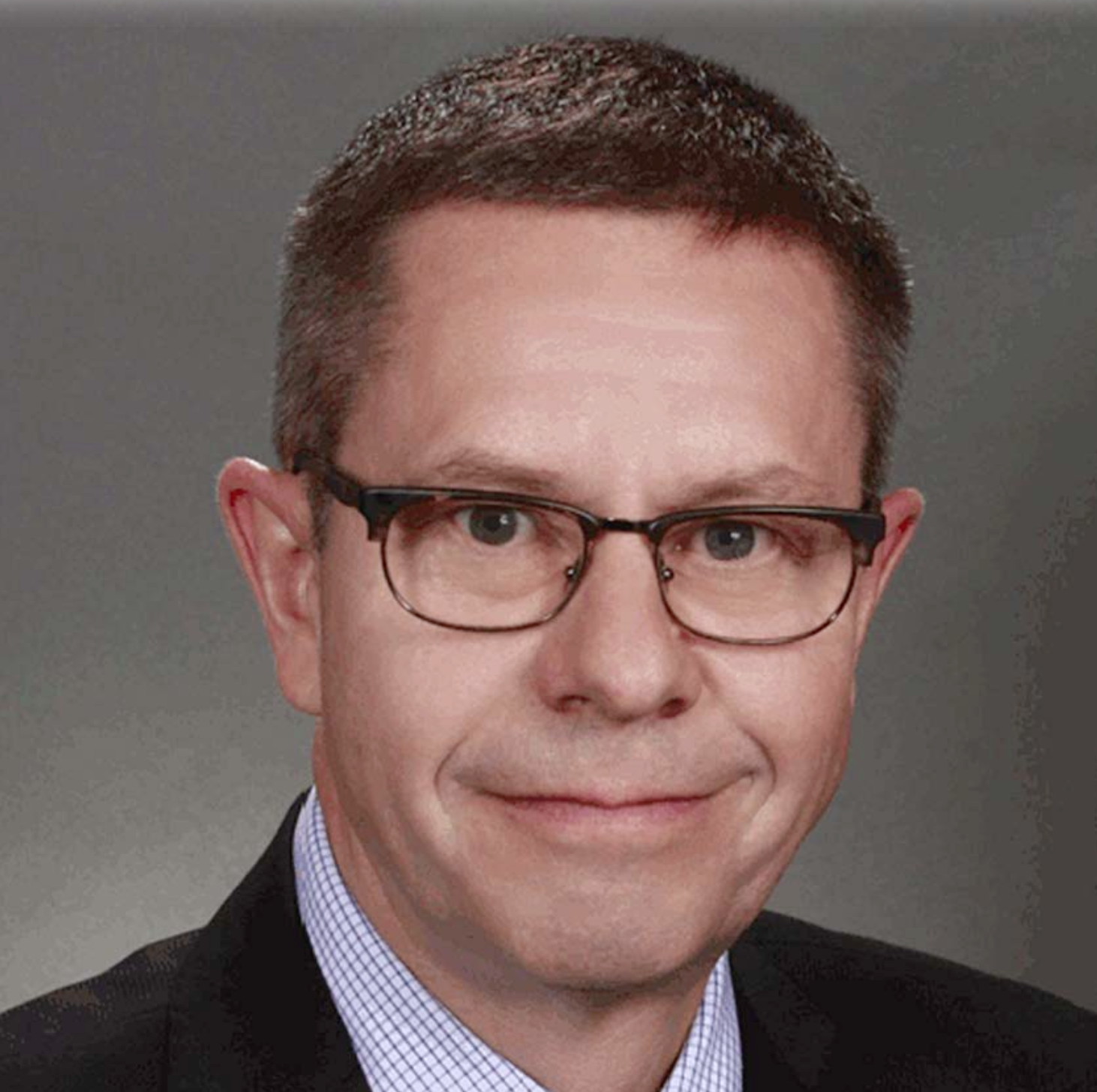
Serena Best
Serena Best is a Professor of Materials Science at the University of Cambridge and Fellow of St. John’s College, Cambridge. She co-directs the Cambridge Centre for Medical Materials (along with Professor Ruth Cameron). She has published around 400 journal papers, books, book chapters and patents in the fields of biomaterials and skeletal repair. Her main research interests focus on the development of functionalised collagen scaffolds for tissue regeneration and bioactive ceramics for bone repair. She was President of the UK Institute of Materials, Minerals and Mining (IOM3) from Jan 2019 – Dec 2020 and Chair of the Executive Board (Jan 2021- Dec 2022). She is a Fellow of the Royal Academy of Engineering (FREng). She is also a Fellow of Federation of Institutions for Biomaterials Science and Engineering (FBSE), the American Institute for Medical and Biological Engineering (FAIMBE) and the European Academy of Sciences (FEURASC). She has been invited to give a number of Plenary lectures at conferences across the World and has held positions on scientific advisory panels, assessment panels and visiting chairs in Europe and Asia. She was awarded a CBE in the Queen’s Birthday Honours List in 2017 for services to Biomaterials Engineering.
See abstract HERE